Welcome to the home of Engaging Muscles Massage.
Engaging Muscles Massage is centrally located in North Dallas.
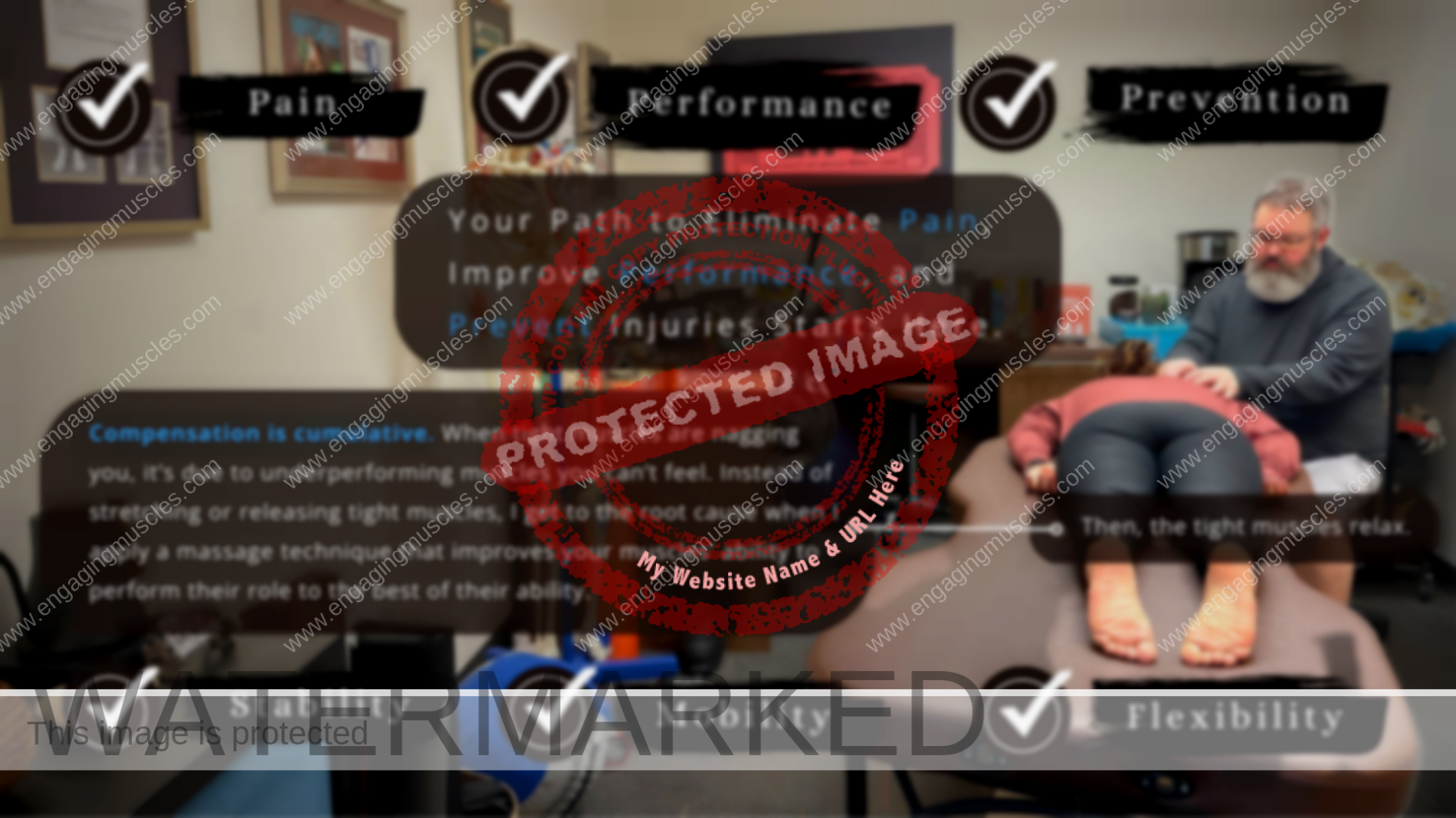
All your sessions at Engaging Muscles Massage are specific to how your muscles function at the time of your first appointment.
To ensure the feeling-good feelings of deep tissue massage hold longer than 24 hours, I use a deep tissue sports massage technique to address muscles that aren’t tight.
Engaging Muscles Massage is the best alternative for conventional care when the pain or injury doesn’t require surgery.
Engaging Muscles Massage is approximately 25 miles from Dallas Love Field Airport and 30 miles from DFW Airport.

jump to location and investment
Your muscles feel tight. Without knowing it, you also have underperforming muscles.
Stretching, chiropractic adjustments (aka rapid stretching), foam rolling, and foot orthotics are some stressors that cause muscles to underperform.
The truth: Practitioners who stretch or release muscles with deep tissue massage don’t know whether your muscles are tight or underperforming.
First, muscles underperform. Then, your brain calls upon tight muscles to restrict motion.
For example, if you have plantar fasciitis, tight calf muscles are your brain’s best attempt at protecting your plantar fascia from injury.
Whereas muscle tightness throughout your lower back is your brain protecting your spinal discs from further injury.
The truth is you can’t have tight muscles without underperforming muscles.
Because you can’t have tight muscles without also having muscles that are neurologically incapable of pulling their weight to the best of their ability, I ignore muscles that feel tight.
If we’re being honest, tight muscles are nothing more than a symptom and a sensation distracting you and, unfortunately, the vast majority of licensed practitioners from getting to the root cause.
The Process
First, I confirm which muscles are underperforming.
Then, I determine which of your underperforming muscles will have the most impact on pain and mobility.
From there, I address the underperforming muscles with a deep tissue sports massage technique.
After addressing the neuromuscular component, we move on to address compensatory motion with the neuromechanical piece of the puzzle.
The neuromechanical piece complements the neuromuscular part of the puzzle.
Then, as I do online, I recommend exercises and athletic shoes that will keep you antifragile as you age.
If you thought to yourself, ‘That makes sense!’ after reading the previous sentence, you’re catching what I’m throwing.

I don’t have to know you to know that licensed practitioners have recommended stretches and one-size-fits-all exercises without mentioning muscles underperforming.
Whether you walked away from your last session with or without pain, you were, unknowingly, not functioning better than you were before the pain or injury.
While ninety-nine percent of the practitioners qualified to work with the musculoskeletal system manage symptoms, chase pain, and ignore the root cause——compensation is cumulative.
Have you sprained your ankle and kept walking until you no longer felt discomfort? If you have, your brain found a workaround.
Have you used custom foot orthotics or store-bought inserts to support your feet? If you answered yes, your brain found a workaround.
Can you remember stretching and doing one-size-fits-all exercises after an orthopedic surgery? If you did, your brain found a workaround.
Have you stretched, foam rolled, or exercised your way back to no longer feeling pain? If you have, your brain found a workaround.
When you leave Engaging Muscles Massage, your brain recognizes that it no longer has to call upon tight muscles to protect you from an injury.
Twenty-Nine Years of Experience Working with Pain and Injuries.
YouTube



Before you reach your vehicle, your brain will recognize that you have more muscles capable of stabilizing your trunk and spinal joints.
When your brain recognizes increased stability throughout your spine and pelvis, you will also have more stability throughout your legs and arms.
That’s why plantar fasciitis is rarely about your feet, and shoulder pain is primarily due to muscles that aren’t capable of stabilizing your spine and pelvis.
When the amount of tension it takes for muscles to contract and provide stability isn’t readily available, you have instability at the joints your muscles are responsible for controlling.
Sidebar: If you have wondered why ligament tears, menisci tears, and labral tears have not decreased throughout the years —— you just read the reason —— the role of your muscles is to provide stability and control motion. When your muscles cannot provide stability and control motion, your ligaments, menisci, labrums, and spinal discs are at more risk.
Stability changes what your brain perceives.
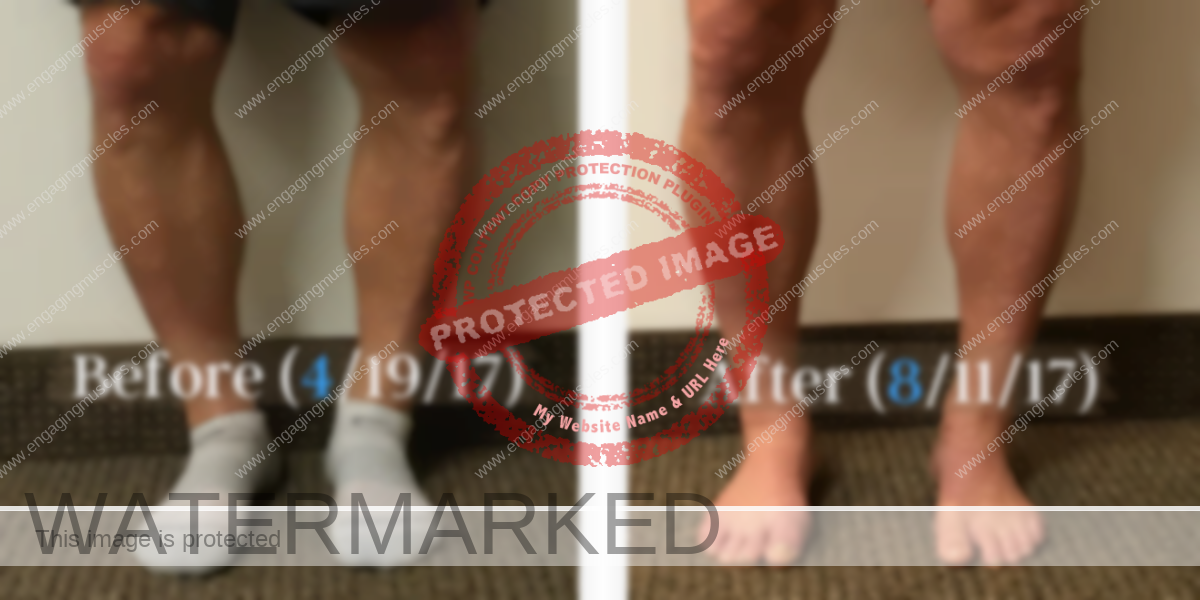
jump to the testimonial his wife wrote for him
Top-Tier Experience
When you add twenty-nine years of hands-on experience as a licensed massage therapist to a consistent growth mindset, you get a unique combination of the best deep tissue massage and sports massage.
For eighteen of the twenty-nine years, I completed thousands of one-on-one sessions as a nationally certified personal trainer.
In addition to having well over two and a half decades of experience with practical application, I have dedicated fifteen years to teaching kinesiology (the study of human movement).
I used the second-layer knowledge and overall skill stack I had gained over those years to serve as the applied biomechanics consultant for the strength coaches and personal trainers at ESPN.
After a few years in that role, I was asked to provide sports and deep tissue massage for on-air talent and the behind-the-scenes staff at ESPN.
I’m a member of the ABMP (Associated Bodywork & Massage Professionals) and the AMTA (American Massage Therapy Association).

Does the muscle between your neck and shoulder feel tight?
In most cases, the trapezius muscle is underperforming but feels tight.
When your upper trapezius is underperforming, and you address the muscle as if it’s tight, the feel-good feelings are short-lived.
Addressing it as if it’s tight allows for more of the same. In other words, within 24 hours of stretching or releasing the muscle, your neck and shoulder will feel tight again.
Are Your Traps Tight? This Counterintuitive Approach Will Get Rid of Knots In Your Neck and Shoulder
In 2016, I wrote a blog post about how harmful custom-molded foot orthotics are for your feet. That post is still widely read today.
The same year, I wrote another post that became even more popular. In that post, I explained why plantar fasciitis is rarely about your foot.
Since publishing those blog posts, I’m proud to say readers with plantar fasciitis, piriformis syndrome, and neck and back pain have traveled to Dallas from all over the country and different parts of the world.

Second-Layer Knowledge
Second-layer knowledge is a level of understanding that goes far beyond what ninety-nine percent of licensed practitioners recommend.
When you don’t know what you don’t know about increasing strength, stability, flexibility, and mobility, it helps to know most practitioners and podcasters rely on first-layer knowledge.
Licensed practitioners and podcasters who recommend exercises, stretches, and self-massage tools don’t have the second-layer knowledge and skill stack to confirm whether a muscle is tight or underperforming.
The rub: Most people who walk away from physical therapy, chiropractic, and athletic training don’t function better than before the pain or injury. Instead, they walk away with a different workaround than what they started with.
FAQ
When I received deep tissue in the past, I was underneath a sheet or wearing a medical gown. The massage therapist used lotion or oil. I noticed you work with patients wearing athletic clothing; why is that?
Answer: Since I provided deep tissue massage at ESPN, I prefer to address the underperforming muscles through athletic clothing.
When you’re fully clothed, I can move the hip and shoulders without a sheet getting in the way.
My massage technique doesn’t require sliding or gliding along your skin.
By working through athletic clothing, I can better address the attachments of your muscles.
Location
Engaging Muscles Massage
12700 Hillcrest Rd, Ste 125 #143
Dallas, TX 75230
Investment
Your first in-office session starts at $295. I also offer package pricing.
Your first online consultation starts at $212. Package pricing is an opportunity to remain antifragile as you age.
Whether you work with me from home or at my office, you’ll know what it feels like to have muscles providing stability.
Texas Massage Therapy License: MT110566